
Recurrent Vomiting in Kids: Signs, Causes, and Treatment of Cyclical Vomiting Syndrome
Paediatric Cyclical Vomiting Syndrome (CVS) is a recurring childhood condition that causes sudden, intense episodes of vomiting lasting hours to days.

Headaches in Children: When Should You Worry?
If your child has headaches or unusual neurological symptoms, it’s important not to ignorethem, especially if they are persistent, worsening, or unexplained.

Understanding Dystonia in Children: A Guide for Parents in Singapore
Dystonia is a neurological condition that causes involuntary muscle contractions, leading to twisting movements, abnormal postures, or stiffness.

Blank Spells in Children: Daydreaming or a Sign of Childhood Absence Epilepsy?
Blank spells in children can be normal daydreaming or a sign of Childhood Absence Epilepsy (CAE). It’s important to tell them apart because CAE needs medical attention.

Stiffening Spells in Infancy: Infantile Colic or a Sign of Infantile Spasms?
Epileptic spasms, also known as Infantile spasms is a rare epilepsy that affects young children, usually under one year old.
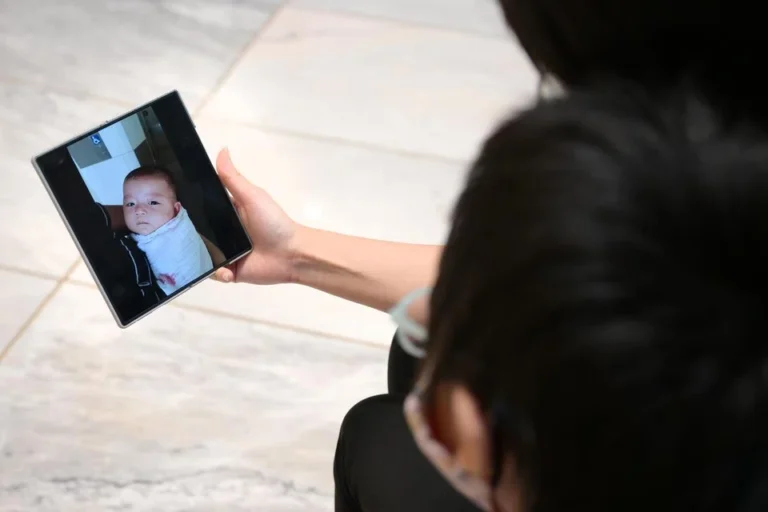
Life Rewired: Deep Brain Stimulation Curbs Excessive, Involuntary Movements in Boy with Rare Disorder
Fewer than 500 people worldwide are known to have a rare genetic disorder called GNAO1 mutation, which disrupts brain signaling and affects movement and development.

Boy with Rare Genetic Disease Undergoes Deep Brain Stimulation Surgery
He eventually recovered through deep brain stimulation surgery, becoming the first child in Asia to undergo this surgery.

Should you worry if your child bumps their head?
Minor accidents like falls and bumps to the head are often part of childhood, and usually not cause for immediate concern.

Teens Behaving Badly? What Literally goes on in their Brains when they Drink, Skip Meals or Sleep less
Find out how their developing brains may steer them towards making rash and bad decisions.

Febrile Seizures in Children
We understand that witnessing a febrile convulsion can be a very scary experience. However, it’s important to know that febrile convulsions are usually not as severe as they may appear.